The Art of Wood Finishing: Why Choosing the Right Finish Matters
Share
Woodworking is a timeless craft that combines skill, creativity, and a deep appreciation for natural materials. Whether you're crafting a piece of furniture, restoring an antique, or embarking on a DIY project, the finishing touches can make all the difference. One crucial aspect that often gets overlooked is the choice of wood finish. In this guide, we'll explore why using the correct wood finish is of paramount importance in preserving, enhancing, and protecting your woodworking creations.
Enhancing Aesthetics: Bringing Out Natural Beauty
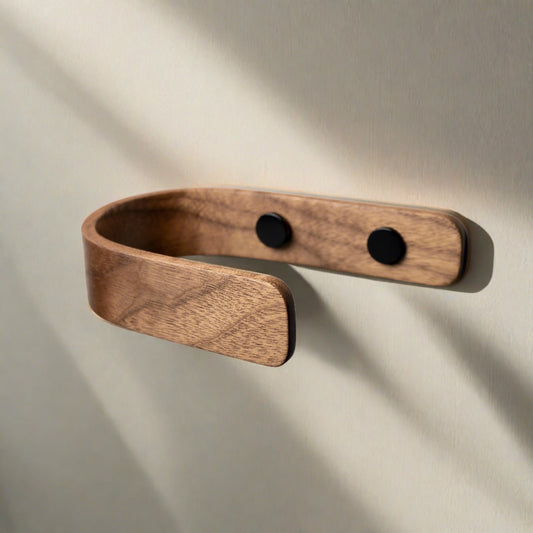
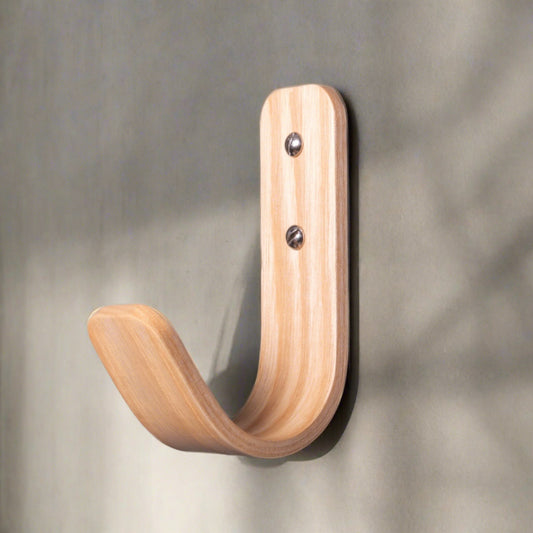
The right wood finish can transform the appearance of your project, enhancing the natural beauty of the wood. Different finishes can bring out the grain patterns, colours, and textures in unique ways. Whether you prefer a glossy, satin, or matte finish, choosing the appropriate product will contribute significantly to the overall aesthetic appeal of your creation.
Understanding the different types of woodworking finishes available helps you select the perfect option for your specific project. From oils to varnishes, each finish type offers unique benefits and visual effects.
For premium hardwoods like oak, the finish choice is particularly important. Discover the secrets behind high-quality oak wood finishes and how they enhance the natural characteristics of this beautiful wood.
Preservation and Durability: Protecting Your Investment
Wood finishes act as a protective barrier against environmental elements, preventing moisture, UV rays, and other factors from causing damage. Properly sealed wood is less susceptible to warping, cracking, and discoloration over time. Choosing the right finish for the specific type of wood and its intended use ensures the longevity of your project, allowing it to withstand the test of time.
Once you've applied the perfect finish, proper maintenance is key. Learn when and why to reapply wood finish to keep your pieces looking beautiful for generations.
Highlighting Wood Characteristics: Showcasing Unique Qualities
Different woods have distinct characteristics that can be highlighted or subdued depending on the choice of finish. For example, a clear finish might be ideal for showcasing the natural tones of a high-quality hardwood, while a stain can add depth and richness to a lighter wood. By understanding the unique qualities of your chosen wood, you can select a finish that complements and enhances its features.
Each hardwood species responds differently to finishes. Explore our guide to understanding oak, walnut, and ash to learn how different woods interact with various finishing techniques.
Customization and Personalization: Creating Your Signature Style
Wood finishes offer a wide range of options for customization. Whether you want to achieve a vintage, rustic look or a modern, sleek appearance, the right finish can help you achieve your desired style. Experimenting with different finishes allows you to put your personal stamp on your creations, making each piece a unique expression of your craftsmanship.
For those looking to create sophisticated, layered looks, our guide on mixing wood tones and layering finishes provides expert techniques for achieving professional results.
Ease of Maintenance: Long-Term Care Considerations
The correct wood finish can also simplify the maintenance of your woodworking projects. Some finishes are more resistant to stains, scratches, and everyday wear and tear, making it easier to keep your creations looking pristine. Considering the intended use of the item and choosing a finish with the appropriate level of durability will save you time and effort in the long run.
Different finishing techniques require different care approaches. Whether you're working with steam-bent pieces or traditional joinery, understanding the relationship between construction method and finish is essential.
Sustainable Finishing Practices
At NOIR.DESIGN, we believe that beautiful finishes should also be environmentally responsible. Our approach to sustainable woodworking extends to our finishing processes, using eco-friendly products that protect both your furniture and the planet.
Learn more about the eco-friendly legacy of woodworking and how traditional techniques combined with modern sustainable practices create lasting, beautiful pieces.
The Craftsmanship Connection
The art of finishing is intrinsically linked to other woodworking skills. Understanding essential woodworking joints and construction techniques helps you make better finishing decisions, as different joinery methods may require specific finishing approaches.
Traditional techniques like steam bending create unique surface characteristics that benefit from specialized finishing methods, showcasing how craftsmanship and finishing work hand in hand.
Conclusion: The Final Touch That Makes All the Difference
In the world of woodworking, the journey doesn't end with the completion of the construction phase. The choice of wood finish is a crucial step that significantly influences the final outcome of your project. From aesthetics to durability, preservation to personalization, using the correct wood finish is essential for ensuring that your creations stand the test of time and become cherished pieces that showcase both your skill and the inherent beauty of the wood itself.
So, next time you embark on a woodworking adventure, remember that the art of finishing is just as important as the craftsmanship that goes into building. Whether you're creating statement furniture pieces or functional home accessories, the right finish will elevate your work from good to exceptional.