Crafting Connections: A Journey Through the History of Furniture Joints
Share
Furniture, an integral part of human civilization, has evolved over the centuries, not only in design and functionality but also in the techniques used to construct it. One of the key elements in the art of furniture making is the joinery - the method by which different pieces of wood are connected to form a sturdy and functional whole. Joinery techniques have a rich history, reflecting the craftsmanship, innovation, and cultural influences of various eras. In this blog, we embark on a fascinating journey through the annals of time to explore the evolution of furniture joints.
Ancient Joinery Techniques: The Foundation of Woodworking
The earliest known furniture joints date back to ancient civilizations, where artisans employed simple yet effective methods to connect wooden components. Egyptians, for instance, utilized mortise-and-tenon joints, creating a strong and durable bond by inserting a tenon (a projecting piece) into a mortise (a cavity or hole). This method persisted through various cultures, including the Greeks and Romans, showcasing the enduring efficiency of this ancient joinery technique.
These fundamental techniques remain relevant today. Learn more about essential woodworking joints and how they continue to form the backbone of quality furniture construction.
Medieval Ingenuity: The Rise of the Dovetail
As the Middle Ages dawned, so did the development of more sophisticated joint designs. The dovetail joint, characterized by its interlocking wedge-shaped projections, emerged during this era. This ingenious joint provided not only strength but also an aesthetic appeal, becoming a hallmark of craftsmanship in furniture making. The intricacy of dovetail joints often reflected the skill and dedication of the artisan.
The dovetail joint remains one of the most respected joinery techniques. Explore our detailed guide on traditional furniture joints to understand why these methods have stood the test of time.
Renaissance Elegance: Form Meets Function
The Renaissance era witnessed a revival of classical art and learning, influencing furniture design and joinery techniques. Cabinetmakers began incorporating ornate and decorative joints, such as the finger joint and the mortise-and-peg joint, to enhance the aesthetic appeal of their creations. These techniques showcased the union of form and function, embodying the spirit of the Renaissance.
This marriage of beauty and utility continues to inspire modern craftsmen. At NOIR.DESIGN, we embrace this philosophy in our handcrafted furniture pieces, where traditional joinery meets contemporary design.
Age of Industrialization: Efficiency and Accessibility
With the advent of the Industrial Revolution, furniture production underwent a significant transformation. Mass production demanded quicker and more efficient joinery methods. During this period, butt joints and dowel joints gained popularity due to their simplicity and ease of assembly. While these joints may lack the complexity of their handcrafted predecessors, they played a crucial role in making furniture more accessible to a broader audience.
Despite industrialization, the value of traditional craftsmanship never disappeared. Today's artisans blend efficiency with quality, as explored in our article on sustainable handcrafted furniture.
Modern Precision: Honoring Tradition with Innovation
The 20th century brought about a resurgence of appreciation for craftsmanship and traditional joinery techniques. Even as modern materials and technologies emerged, skilled artisans continued to employ time-tested methods like mortise-and-tenon and dovetail joints. Additionally, innovations such as biscuit joints and pocket hole joinery entered the scene, offering alternatives that balanced efficiency with durability.
At NOIR.DESIGN, we combine traditional joinery with innovative techniques like steam bending, creating pieces that honor historical craftsmanship while embracing modern sustainability. Our commitment to reviving traditional woodworking mastery ensures each piece is built to last.
The Role of Wood Selection in Joinery
Throughout history, the choice of wood has been as important as the joinery technique itself. Different woods respond differently to various joint types, and understanding these characteristics is crucial for successful furniture making. Learn about the properties of oak, walnut, and ash and how they influence joinery decisions.
The quality of wood also affects how joints age over time. Our guide on hardwood strength and selection explains how we choose materials that ensure joints remain tight and strong for generations.
Finishing Techniques for Joinery
The beauty of well-crafted joints is enhanced by proper finishing. Whether showcasing the intricate details of a dovetail or creating a seamless appearance with hidden joints, the right finish makes all the difference. Explore why choosing the right wood finish matters and discover common woodworking finishes that enhance both beauty and durability.
For those working with multiple wood species in their joinery, our guide on mixing wood tones provides expert advice on creating cohesive, professional results.
Preserving Joinery Through Proper Care
Well-crafted joints can last for centuries with proper care. Understanding when and why to reapply wood finish helps maintain the integrity of joints and keeps furniture looking beautiful through the years.
Contemporary Applications of Traditional Joinery
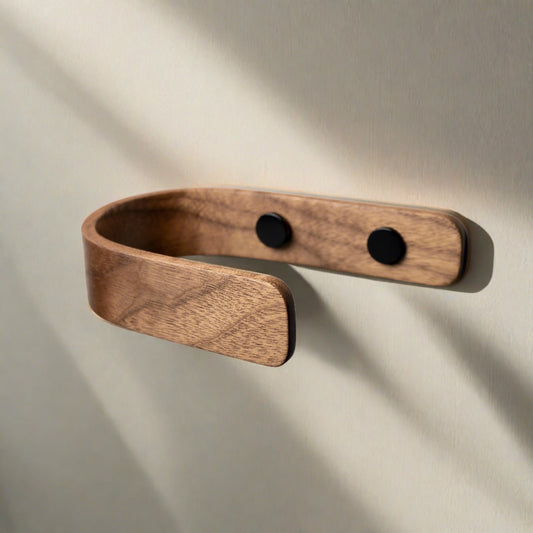
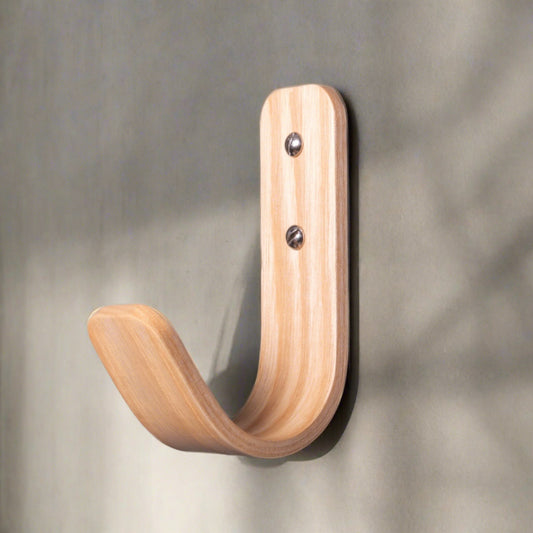
Today's craftsmen continue to use these time-honored techniques in creating functional art for modern homes. From oak wall hooks to larger furniture pieces, traditional joinery ensures strength, beauty, and longevity.
Our approach to sustainable craftsmanship demonstrates that traditional joinery techniques are not only historically significant but also environmentally responsible, creating less waste than modern alternatives.
Conclusion: A Legacy That Endures
The history of furniture joints is a testament to the evolution of human ingenuity and craftsmanship. From the simplicity of ancient mortise-and-tenon joints to the precision of modern biscuit joints, each era has contributed to the rich tapestry of furniture-making techniques. As we continue to appreciate and create furniture today, it's essential to recognize the legacy of these joints, which have stood the test of time and continue to shape the way we design and build our living spaces.
At NOIR.DESIGN, we honor this legacy by combining centuries-old joinery techniques with contemporary design sensibilities, creating pieces that are both timeless and relevant. Whether you're a woodworking enthusiast or simply appreciate fine craftsmanship, understanding the history of furniture joints deepens your appreciation for the art and science of furniture making.