
Article: The Science of Sustainable Woodworking: How Handcrafted Furniture Reduces Carbon Footprint
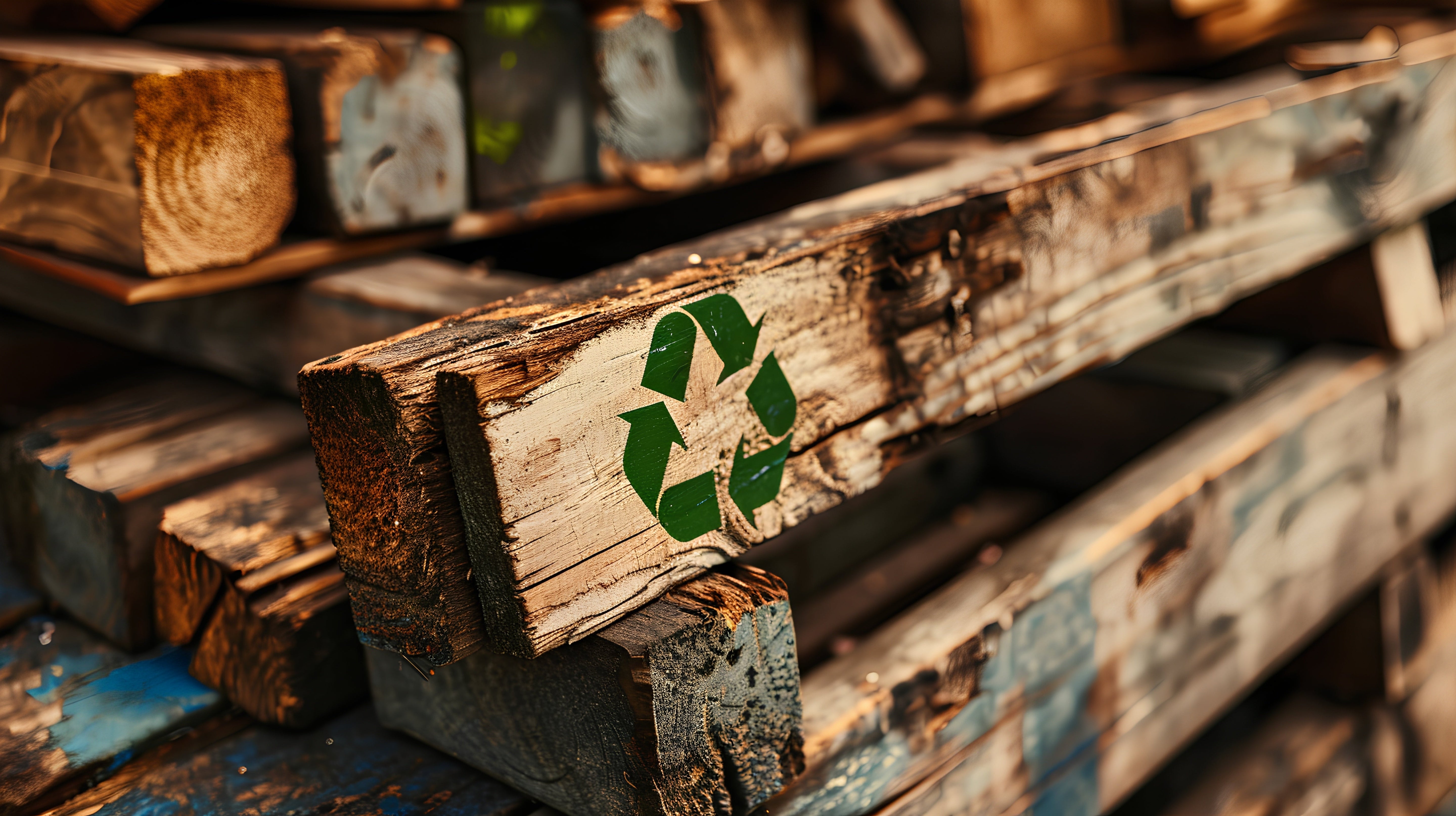
The Science of Sustainable Woodworking: How Handcrafted Furniture Reduces Carbon Footprint
Where Craftsmanship Meets Environmental Responsibility
In the intricate dance between industry and ecology, woodworking stands out as a testament to the potential harmony between human craftsmanship and environmental responsibility. While mass production often comes at significant environmental cost, traditional woodworking—particularly handcrafted, steam-bent pieces—offers a surprisingly sustainable alternative.
At NOIR.DESIGN, sustainability isn't just a buzzword—it's woven into every aspect of our craft. From the molecular level of carbon sequestration to the macro-scale management of forests, the science behind sustainable woodworking reveals why handcrafted furniture can actually benefit the environment.
Table of Contents
Carbon Sequestration in Wood

Understanding how wood stores carbon reveals why wooden furniture is inherently more sustainable than alternatives like plastic or metal.
The Science of Cellulose Formation
Wood is primarily composed of cellulose, a complex carbohydrate formed through photosynthesis. During this remarkable process:
- Trees absorb CO2: Carbon dioxide is pulled from the atmosphere
- Conversion occurs: Through photosynthesis, CO2 becomes organic compounds
- Oxygen is released: As a byproduct, oxygen returns to the atmosphere
- Carbon is stored: The carbon becomes part of the tree's structure
Long-Term Carbon Storage
As trees grow, they store carbon in their biomass. When harvested for woodworking, this stored carbon remains sequestered in the wood products—potentially for centuries.
The Impact: A handcrafted oak coat rack, walnut watch stand, or ash pen holder continues storing carbon throughout its lifetime, reducing net carbon emissions compared to materials that release stored carbon during production.
Real Numbers: One cubic meter of wood stores approximately 250kg of CO2. A typical piece of wooden furniture can sequester 50-100kg of CO2 for its entire lifespan.
Energy Efficiency in Wood Processing
The energy required to transform raw wood into finished products is significantly lower than processing alternative materials.
Cellulose Breakdown vs. Metal Extraction
Woodworking involves breaking down cellulose into usable forms—lumber, panels, or steam-bent curves. This process generally requires far less energy than:
- Metal extraction and refinement: Requires high-temperature smelting (1,500°C+)
- Plastic production: Petroleum extraction, refining, and polymerization
- Concrete manufacturing: Energy-intensive cement production
Energy Comparison:
- Wood processing: 2-5 MJ/kg
- Aluminum production: 170-200 MJ/kg
- Steel production: 20-50 MJ/kg
- Plastic production: 80-100 MJ/kg
Renewable Energy in Woodworking
Woodworking businesses can further enhance their environmental profile by adopting renewable energy sources:
- Solar power for workshop operations
- Wind energy for machinery
- Biomass energy from wood waste
- Hydroelectric power where available
At NOIR.DESIGN, we prioritize energy-efficient processes and minimize waste at every stage of production.
Embodied Energy and Life Cycle Assessment
Life Cycle Analysis (LCA) evaluates environmental impact from raw material extraction to disposal. Wood consistently outperforms alternative materials.
What is Embodied Energy?
Embodied energy is the total energy required to produce a material, including:
- Extraction or harvesting
- Processing and manufacturing
- Transportation
- Installation or assembly
Wood's Advantage
Wood exhibits significantly lower embodied energy compared to alternatives:
Embodied Energy Comparison (MJ/kg):
- Timber: 2-5 MJ/kg
- Concrete: 1-2 MJ/kg (but much heavier for equivalent strength)
- Steel: 20-50 MJ/kg
- Aluminum: 170-200 MJ/kg
- Plastic: 80-100 MJ/kg
When you choose a handcrafted wooden piece over metal or plastic alternatives, you're making a choice that significantly reduces environmental impact.
Sustainable Forest Management
Responsible forestry ensures that woodworking remains sustainable for generations to come.
Beyond Timber Production
Sustainable forestry practices consider:
- Biodiversity preservation: Protecting diverse plant and animal species
- Ecosystem services: Maintaining soil health, water quality, and air purification
- Habitat protection: Ensuring wildlife corridors and nesting areas
- Carbon sequestration: Maximizing forests' role as carbon sinks
- Community benefits: Supporting local economies and traditional practices
Selective Harvesting
Careful selection of trees for harvesting ensures:
- Forest health is maintained
- Younger trees continue growing and sequestering carbon
- Continuous carbon sequestration cycle
- Minimal ecosystem disruption
- Natural regeneration occurs
Our Commitment
All hardwoods used in our collections come from responsibly managed forests. We prioritize:
- FSC-certified sources when available
- Local sourcing to reduce transportation emissions
- Species that regenerate quickly
- Suppliers with transparent forestry practices
Wood Product Recycling and Reuse
Wood products can participate in a circular economy, where materials are recycled or repurposed rather than discarded.
The Circular Economy Model
Unlike linear "take-make-dispose" models, circular economies keep materials in use:
- Design for longevity: Create pieces that last generations
- Repair and maintain: Extend product lifespan through care
- Repurpose: Transform old pieces into new uses
- Recycle: Break down and create new products
- Compost: Return untreated wood to soil as nutrients
Benefits of Wood Recycling
- Reduces demand for new raw materials
- Minimizes waste sent to landfills
- Decreases energy consumption
- Lowers carbon emissions
- Preserves forests
Heirloom-Quality Construction
At NOIR.DESIGN, we build pieces designed to last for generations, not seasons. This approach:
- Reduces replacement frequency
- Minimizes overall resource consumption
- Creates pieces that can be passed down through families
- Maintains value over time
Steam-Bending: The Sustainable Advantage
Our signature steam-bending technique offers unique sustainability benefits beyond traditional woodworking.
No Adhesives Required
Steam-bending creates continuous grain flow without:
- Synthetic glues or adhesives
- Chemical bonding agents
- Formaldehyde-based products
- Toxic off-gassing
Minimal Waste
The steam-bending process:
- Uses entire lengths of wood efficiently
- Produces fewer offcuts than conventional joinery
- Maximizes yield from each piece
- Reduces material waste significantly
Lower Energy Requirements
Steam-bending requires only:
- Water heated to 100°C (not high-temperature kilns)
- Minimal electricity for steam generation
- No energy-intensive adhesive curing
- Reduced overall carbon footprint
Stronger, Longer-Lasting Products
Continuous grain flow creates:
- Superior structural integrity
- Pieces that last longer
- Reduced need for replacements
- Lower lifetime environmental impact
Consumer Choices and Environmental Impact
The science of consumer behavior plays a crucial role in shaping sustainable practices.
Environmental Awareness Drives Change
Consumer preferences for sustainable products encourage businesses to:
- Adopt eco-friendly practices
- Source responsibly
- Reduce waste
- Increase transparency
- Invest in sustainable technologies
Making Sustainable Choices
When purchasing wooden furniture or accessories, consider:
Material Source: Choose pieces from responsibly managed forests
Production Methods: Favor handcrafted over mass-produced items
Finishes: Select eco-friendly hardwax oils over synthetic varnishes
Longevity: Invest in quality pieces that last generations
Local Production: Support local artisans to reduce transportation emissions
Versatility: Choose timeless designs that won't go out of style
Carbon Offsetting Mechanisms
Progressive woodworking businesses actively offset their carbon emissions through reforestation efforts.
Afforestation and Reforestation
Afforestation: Planting trees in areas that were not previously forested
- Creates new carbon sinks
- Increases biodiversity
- Improves soil quality
- Provides wildlife habitat
Reforestation: Replanting trees in previously deforested areas
- Restores ecosystem functions
- Rebuilds carbon sequestration capacity
- Prevents soil erosion
- Supports local communities
The Math of Carbon Offsetting
One mature tree absorbs approximately 22kg of CO2 per year. By supporting reforestation:
- 100 trees offset ~2,200kg CO2 annually
- Over 20 years, that's 44,000kg CO2 sequestered
- Equivalent to driving a car ~175,000 km
The NOIR.DESIGN Sustainability Commitment
Our approach to sustainable woodworking encompasses:
- Responsible sourcing: Hardwoods from managed forests
- Traditional techniques: Steam-bending that minimizes waste and energy
- Eco-friendly finishes: Hardwax oils with no harmful VOCs
- Local production: Handcrafted in England, reducing transportation
- Heirloom quality: Pieces built to last generations
- Minimal packaging: Recyclable materials only
- Efficient processes: Maximizing yield, minimizing waste
The Symphony of Sustainable Craftsmanship
In the symphony of industry, woodworking emerges as a virtuoso, playing the notes of sustainability with precision and purpose. The scientific tapestry woven throughout this exploration reveals not only the tangible benefits of woodworking in carbon sequestration and energy efficiency but also the profound impact that thoughtful forestry management and consumer choices have on environmental outcomes.
The success of sustainable woodworking is not only a testament to industry's potential to coexist with nature but a beacon guiding us towards a more sustainable future. The intricate dance between scientific principles and woodworking practices illuminates a path forward—one where responsible resource management, circular economies, and conscious consumer choices harmonize to create a resilient and ecologically balanced world.
Every time you choose a handcrafted wooden piece over mass-produced alternatives, you're making a choice that:
- Sequesters carbon for decades or centuries
- Requires minimal energy to produce
- Supports sustainable forestry
- Reduces waste through longevity
- Supports local artisans and communities
- Contributes to a circular economy
Explore our collection of sustainably crafted pieces, each handmade in England using responsibly sourced hardwoods and traditional steam-bending techniques. From coat racks to desk accessories, every piece represents a commitment to environmental stewardship and lasting quality.


Leave a comment
This site is protected by hCaptcha and the hCaptcha Privacy Policy and Terms of Service apply.